

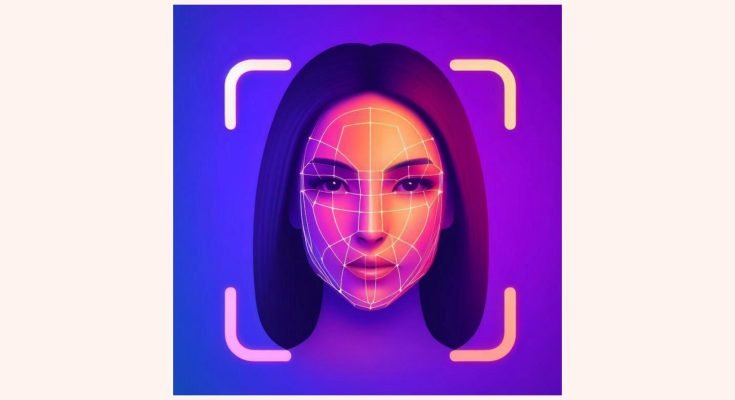
Verifying who someone actually is online has become a bigger deal than it used to be — signing up for a banking app, confirming an biometric identity for a freelance platform, or just making sure an account genuinely belongs to the person claiming it. A password or an OTP proves you have access to something, but it doesn’t really prove who you are, which is exactly the gap facial biometric verification is meant to close.
Face Check ID uses your phone’s camera to confirm your biometric identity by matching your face against a verified reference, similar to how banking apps and government portals increasingly ask for a quick face scan rather than just a password. For anyone dealing with online account verification, digital KYC, or app-based identity checks, understanding how this actually works and how secure it really is matters more than most people realize before they’re asked to scan their face for the first time.
Read More: Increase Smartphone RAM: What Actually Works
Face Check ID App: Biometric Identity Verification
Verifying who someone actually is online has become a bigger deal than it used to be — signing up for a banking app, confirming an biometric identity for a freelance platform, or just making sure an account genuinely belongs to the person claiming it. A password or an OTP proves you have access to something, but it doesn’t really prove who you are, which is exactly the gap facial biometric verification is meant to close.
Face Check ID uses your phone’s camera to confirm your biometric identity by matching your face against a verified reference, similar to how banking apps and government portals increasingly ask for a quick face scan rather than just a password. For anyone dealing with online account verification, digital KYC, or app-based biometric identity checks, understanding how this actually works — and how secure it really is — matters more than most people realize before they’re asked to scan their face for the first time.
What Face Check ID Actually Does
Face Check ID is a biometric verification system that confirms identity by analyzing someone’s facial features rather than relying on something they know, like a password, or something they carry, like an ID card alone. Instead of a manual check where a person reviews a photo against a document, AI-driven algorithms compare a live face scan directly against a stored reference — a passport photo, a CNIC image, or another government-issued ID — to confirm the two match.
This kind of verification is increasingly used across digital banking, mobile apps, and even physical access systems, precisely because it’s harder to fake than a password and faster than a manual review process.
Why This Kind of Verification Has Become So Common
The push toward biometric verification isn’t happening in isolation — it’s tied to a broader shift in how digital services need to confirm identity. As more of everyday life moves through banking apps, e-commerce platforms, and various digital portals, there’s growing pressure on two fronts at once: users want a smooth, fast sign-up or login experience, while regulators and financial institutions require stronger identity checks to meet KYC (Know Your Customer) and anti-fraud requirements.
Facial verification threads that needle reasonably well. It’s fast enough that it doesn’t frustrate users the way a lengthy manual document review would, while still offering a meaningfully higher bar for confirming identity than a password or SMS code alone ever could.
How the Technology Actually Works
AI-based facial recognition. The system relies on deep learning models trained to identify subtle, unique facial patterns — details specific enough that two different people’s faces produce distinctly different results, even accounting for variations in lighting or angle.
Liveness detection. This is one of the more important technical safeguards built into serious biometric systems. Rather than simply matching a face to a photo, liveness detection checks whether the person in front of the camera is physically present and real, specifically to prevent someone from trying to fool the system with a printed photo, a video playback, or a mask.
Integration into existing apps. Businesses adopting this kind of verification typically don’t need to rebuild their systems from scratch. APIs and SDKs let facial verification get added into an existing mobile app or web portal, meaning a bank or fintech platform can integrate it without overhauling their entire infrastructure.
Where This Gets Used in Practice
Banking and fintech. Mobile banking logins, instant KYC verification when opening a new account, and fraud prevention around suspicious account activity all increasingly lean on facial verification rather than relying purely on passwords or PINs.
Healthcare. Confirming patient identity, particularly for telemedicine consultations where a doctor can’t physically verify who they’re speaking with, along with securing access to electronic health records.
E-commerce. Safer checkout processes and account recovery flows, where confirming a real person is behind a transaction or account request reduces fraud significantly compared to relying on a password alone.
Government services. Digital identity verification for services like e-passport processing, border control checks, or distribution of government welfare programs, where confirming someone’s identity accurately and quickly matters at scale.
What Businesses and Users Actually Gain From This
Stronger security than passwords alone. Passwords get reused, guessed, or leaked in data breaches constantly. A face can’t be “leaked” in the same way a password can be, which meaningfully raises the bar against account takeovers and identity theft.
Much faster onboarding. Manual verification processes — someone reviewing a submitted ID document and confirming it matches the applicant — can take hours or even days depending on the organization. Facial verification often completes in seconds, which matters a lot for user experience during account sign-up.
Lower operational costs for businesses. Automating identity checks reduces how much manual review staff and paperwork a company needs to process new accounts, which becomes a meaningful cost saving at scale.
More user trust. Customers tend to feel more confident engaging with a platform that visibly takes identity security seriously, which can reduce account abandonment during sign-up and build longer-term trust in the platform.
What Actually Happens to Your Biometric Data
This is a fair concern to raise, since facial data is a genuinely sensitive category of personal information — unlike a password, you can’t simply change your face if it’s ever compromised. Reputable providers of this technology are expected to follow established data protection standards, encrypting and securing biometric data rather than storing it in a way that’s easily exposed, and operating under privacy frameworks like GDPR or similar regional regulations.
That said, standards vary meaningfully between providers, so it’s worth checking a specific app or service’s privacy policy directly before assuming your facial data is being handled responsibly, rather than taking it for granted just because the technology itself sounds secure.
Where This Technology Is Headed
Biometric identity verification is still evolving, and a few developments are likely to shape where it goes next. Decentralized digital identity systems, potentially built on blockchain infrastructure, could eventually give individuals more direct control over their own identity data rather than having it stored across multiple separate company databases. Multi-factor biometric verification — combining face recognition with fingerprint or voice — is likely to become more common for higher-security applications where a single biometric factor isn’t considered sufficient. And cross-border identity frameworks could eventually make it easier to verify identity consistently across countries, which would matter for international travel and financial services specifically.
Closing Thought
Facial verification is quickly becoming a standard part of how digital platforms confirm identity, replacing or supplementing passwords in places where security genuinely matters — banking, healthcare, government services. It’s faster and, in a lot of ways, more secure than older verification methods, but it’s still worth understanding what’s actually happening with your facial data before scanning your face for any app, and choosing services that are transparent about how that data gets stored and protected.
FAQs
Is facial verification actually more secure than a password?
Yes, generally. Unlike passwords, which can be guessed, reused, or leaked in data breaches, a face is much harder to fake or steal, especially when paired with liveness detection to confirm a real person is present.
Can someone trick the system using a photo or video of my face?
Reputable systems include liveness detection specifically to prevent this, checking for signs of physical presence rather than just matching a static image.
What happens to my facial data once it’s scanned?
Reputable providers are expected to encrypt and securely store this data under established privacy standards, though it’s worth checking the specific app or service’s privacy policy directly to confirm how they actually handle it.
Why do banking and fintech apps increasingly ask for a face scan instead of just a password?
It provides a stronger layer of identity verification for KYC and fraud prevention requirements, while also making the verification process faster than manual document review.
Can facial data be changed if it’s ever compromised, like a password can?
No, which is exactly why it’s considered more sensitive than a password and why proper encryption and secure storage matter so much for this kind of data.
Is this technology only used for banking, or does it apply elsewhere too?
It’s used across several industries, including healthcare, e-commerce, and government services, anywhere identity confirmation matters for security or compliance reasons.
Do businesses need to rebuild their entire app to add facial verification?
No, most facial verification systems integrate through APIs and SDKs, allowing businesses to add it to an existing app or platform without a full infrastructure overhaul.
