

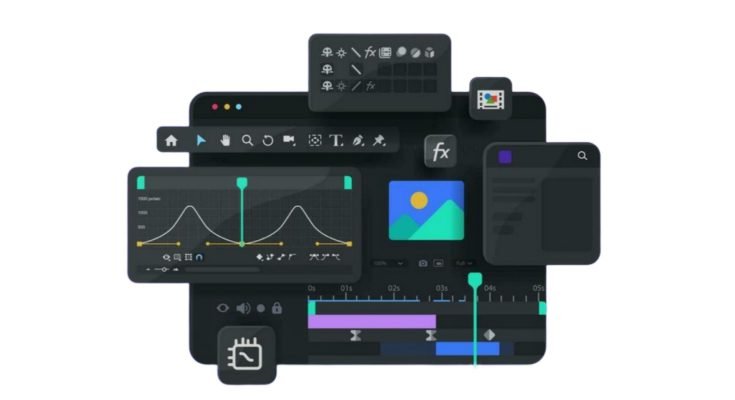
Editing a video used to mean picking one workflow and sticking with it — either you had proper editing software on a laptop, or you were stuck with whatever basic trimming tools your phone offered. Most creators these days don’t work that way anymore. A video might get shot on a phone during the day, roughly cut together on the bus home, and then finished properly on a laptop later that evening once there’s actual time to sit down.
This app is built around that back-and-forth workflow rather than forcing you to pick one device and stay there. The same editing tools, timeline, and project files carry over whether you’re working from your phone or a PC, so switching devices mid-edit doesn’t mean starting over or losing the work you’ve already put in.
Read More: Best UI/UX Designer App: Designer Tools Pro
Pro Video Editing App for Mobile and PC
Editing a video used to mean picking one workflow and sticking with it — either you had proper editing software on a laptop, or you were stuck with whatever basic trimming tools your phone offered. Most creators these days don’t work that way anymore. A video might get shot on a phone during the day, roughly cut together on the bus home, and then finished properly on a laptop later that evening once there’s actual time to sit down.
This app is built around that back-and-forth workflow rather than forcing you to pick one device and stay there. The same editing tools, timeline, and project files carry over whether you’re working from your phone or a PC, so switching devices mid-edit doesn’t mean starting over or losing the work you’ve already put in.
Why Video Editing Has Become a Basic Skill, Not a Specialist One
Video used to be something only trained editors or agencies handled. That’s changed almost entirely. Between YouTube, TikTok, Instagram Reels, and Facebook, practically anyone can put out video content regularly, and the platforms themselves have made it clear — polished, well-cut video consistently outperforms raw, unedited footage in terms of views, shares, and general audience trust.
That shift is exactly why a capable video editor, whether on mobile, desktop, or ideally both, has gone from a nice-to-have to something closer to a basic requirement for anyone serious about growing an audience or promoting a business online.
What a Genuinely Good Editing App Actually Needs
Not every editing app is built the same way, and the difference tends to show up in a handful of specific areas worth checking before settling on one:
A drag-and-drop interface that doesn’t fight you. Editing should feel intuitive rather than requiring a manual to figure out basic trimming and clip arrangement. This matters most for beginners, but even experienced editors benefit from not wasting time navigating a clunky interface.
AI-assisted tools that actually save time. Auto-cutting, smart scene transitions, background removal, and automatic voice-to-text captions have moved from novelty features to genuinely useful time-savers, particularly for anyone editing regularly rather than occasionally.
Cloud syncing between devices. For the kind of shoot-on-phone, finish-on-laptop workflow a lot of creators now use, having a project sync automatically between devices avoids the frustration of exporting and re-importing files manually every time you switch.
4K and higher-resolution export support. For anyone publishing to YouTube specifically, export quality directly affects how the platform’s algorithm treats your content, and viewers increasingly expect sharp, high-resolution video as a baseline rather than a bonus.
Built-in royalty-free assets. Stock music, sound effects, and ready-made templates cut down significantly on the time it takes to finish a polished-looking edit, especially useful when you’re working under a deadline or posting frequently.
A Look at the Apps Actually Leading This Space
Adobe Premiere Rush. A streamlined version of Adobe’s professional desktop editor, built specifically to work across both mobile and desktop without losing core functionality. It supports multi-track editing, full 4K exports, and syncs projects through the cloud, making it a solid choice for creators who want the reliability of a well-established editing brand without needing the full complexity of Premiere Pro.
CapCut. Developed by ByteDance, the same company behind TikTok, CapCut has become one of the most widely used free editors, particularly among short-form content creators. Keyframe animation, background removal, and trend-aligned effects are all built in, which is a big part of why it’s become the default choice for a large share of TikTok and YouTube Shorts creators.
KineMaster. A more layer-focused mobile editor, supporting multiple video and audio layers, blending modes, chroma key for green screen work, and 4K export. It’s particularly popular with vloggers and educators who need more granular control than a simpler trimming app can offer.
InShot. Built with beginners in mind, InShot keeps things simple — trimming, background music, transitions, and text overlays without overwhelming a first-time user. It’s especially common among creators focused on Instagram Reels and Facebook video ads, where quick, clean edits matter more than deep customization.
Filmora. Available on both desktop and mobile, Filmora leans into AI-assisted tools, a solid library of royalty-free assets, and professional-grade effects. It’s a common choice for business marketing content, YouTube monetization-focused channels, and e-learning material where a more polished, structured look matters.
Each of these covers a slightly different need, which is really the point — the “best” app depends heavily on what you’re actually trying to produce and how comfortable you already are with editing.
What a Better Editing Workflow Actually Changes
Stronger audience engagement. Content that’s been properly edited — clean cuts, good pacing, no dead air — consistently performs better in terms of likes, shares, and comments compared to raw, unedited footage.
Better monetization potential. For creators relying on YouTube AdSense, affiliate marketing, or brand sponsorships, video quality directly affects both audience retention and how brands perceive a channel’s professionalism when considering partnerships.
Real time savings through automation. AI-assisted editing tools cut down significantly on the manual, repetitive parts of editing — auto-cutting rough footage, smart transitions, background noise removal — freeing up time for the more creative decisions that actually shape a video’s final quality.
A stronger, more trustworthy brand image. For businesses specifically, professionally edited video content signals a level of care and legitimacy that raw or poorly cut footage simply doesn’t communicate as effectively.
More mileage out of a single shoot. One well-shot long-form video can often be cut down into multiple shorter clips, reels, and ad snippets, extending its reach across several platforms rather than existing as a single piece of content.
Where This Matters Specifically for Business and Marketing
For entrepreneurs and small business owners, video has become one of the most effective advertising formats available, and a capable editing app makes several practical uses realistic without needing to hire outside help:
Product demonstration videos that actually show how something works rather than relying on static images. Social media ad content tailored to fit each platform’s format and expected style. Training or tutorial videos for onboarding staff or educating customers. Event promotion clips built quickly around a specific date or launch. Customer testimonial videos, which tend to carry more weight with potential buyers than written reviews alone.
With the right editing tools in hand, businesses can put together this kind of content consistently rather than treating video as an occasional, expensive production.
Choosing the Right App for Your Situation
A few practical things worth weighing before settling on one:
Your platform. Not every app is available identically across Android, iOS, Windows, and Mac, so it’s worth confirming compatibility with however you actually plan to work.
Free versus paid. Some apps are genuinely capable in their free tier, while others gate the more advanced features — 4K export, watermark removal, premium templates — behind a subscription.
Storage and export quality. If you’re regularly exporting in 4K or working with longer projects, storage space and export handling matter more than they might for someone doing quick, short edits.
Social media integration. Direct export and upload options to platforms like YouTube, TikTok, or Instagram save a noticeable amount of time compared to manually saving and re-uploading through each app separately.
Advanced editing needs. If your work regularly requires green screen effects, precise slow-motion control, or more advanced visual effects, it’s worth checking that a given app actually supports those features well rather than offering them as a limited afterthought.
As a general rule, beginners tend to get the most out of simpler, more approachable apps like InShot or CapCut, while more demanding, professional-level projects are usually better served by something like Adobe Premiere Rush or Filmora, which offer deeper editing control at the cost of a slightly steeper learning curve.
Closing Thought
Video content isn’t optional anymore for anyone trying to build an audience or grow a business online, and the gap between raw, unedited footage and something genuinely polished usually comes down to having the right editing tool for how you actually work — whether that’s quick mobile edits between errands or a more deliberate session on a laptop later. Picking an app that fits your platform, skill level, and the kind of content you’re actually producing is worth more than chasing whichever tool happens to be trending that month.
FAQs
Do I need both a mobile and desktop version, or is one enough?
It depends on your workflow. If you only ever edit on one device, a single-platform app works fine. If you shoot on your phone but prefer finishing edits on a laptop, an app that syncs projects across both saves a lot of time.
Which app is best for someone with no editing experience?
Apps like InShot or CapCut are generally the most approachable for beginners, with simpler interfaces that don’t require much of a learning curve.
Do I need a paid subscription to export in 4K?
It varies by app. Some free versions support 4K export, while others gate it behind a premium tier, so it’s worth checking a specific app’s export limits before relying on it.
How much do AI editing tools actually help compared to manual editing?
They can save a significant amount of time on repetitive tasks like auto-cutting rough footage or removing background noise, though most creators still fine-tune the results manually afterward.
Can I use one of these apps for business marketing content, not just personal videos?
Yes, apps like Filmora and Adobe Premiere Rush are commonly used for business content like product demos, ads, and training videos, alongside personal or influencer content.
Does the app I choose actually affect how well my videos perform on YouTube or TikTok?
Indirectly, yes. Better export quality, smoother editing, and platform-specific optimization all contribute to how well content is received and retained by viewers.
Is it worth switching apps as my editing needs get more advanced?
Often, yes. Beginner-friendly apps are great for getting started, but more advanced needs like green screen work or multi-layer editing usually call for a more capable app like KineMaster or Filmora.
